Let's connect

Want to discuss your project or have any questions?

In vitro safety testing

Our in vitro assays contribute to a more accurate understanding of the safety profile of your test item while reducing the use of laboratory animals. Our in vitro toxicity assay portfolio includes both GLP-compliant assays for regulatory requirements and non-GLP screening assays. The latter allows high-throughput in vitro toxicity testing using only minimal amounts of the test item. All assay designs can be tailored to your specific needs.  

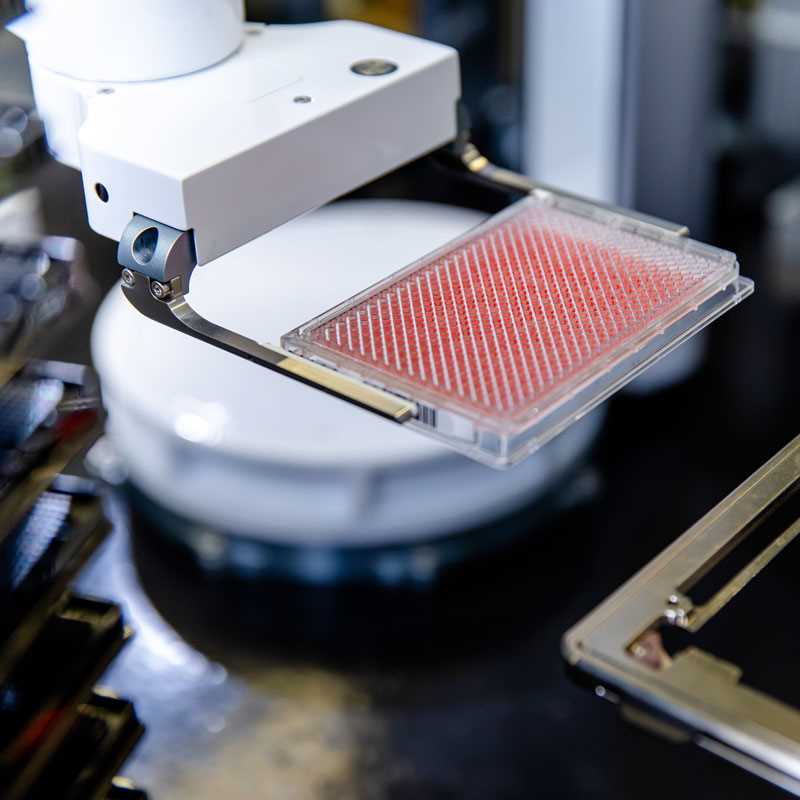
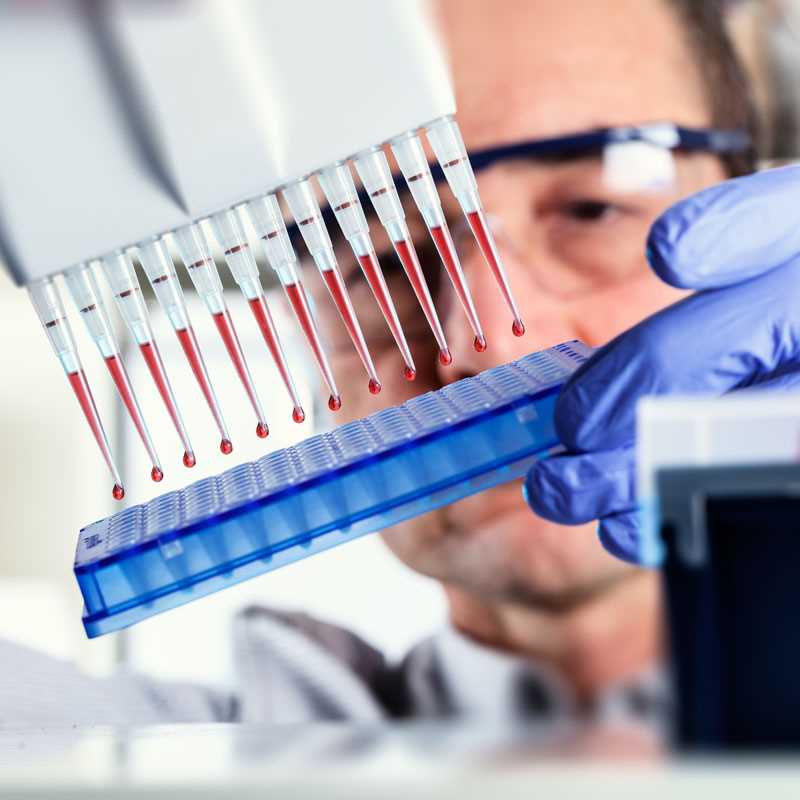
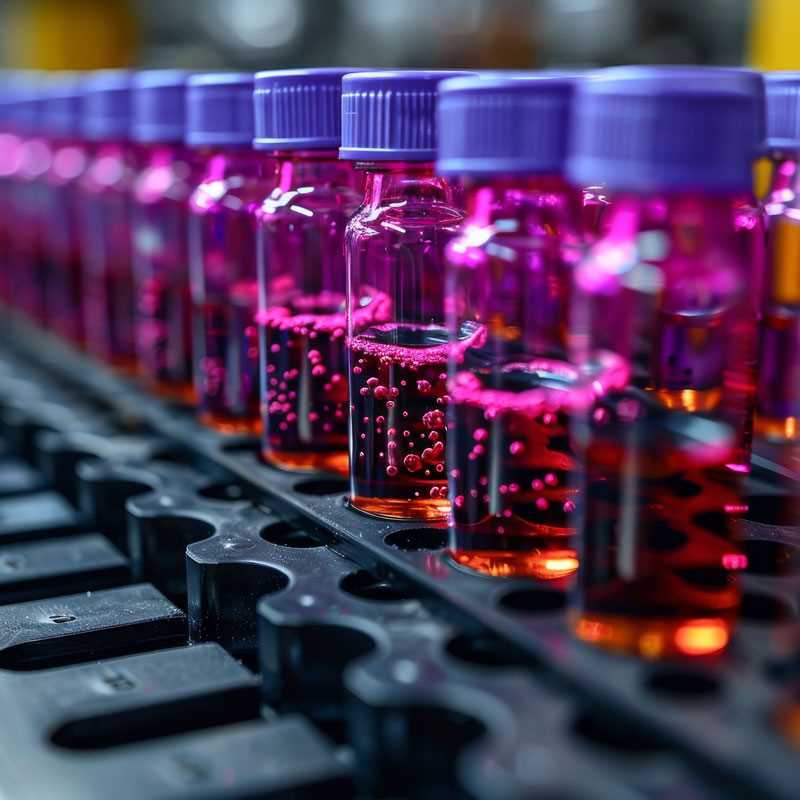
384-well plate in close-up filled with liquid showing a color gradient

In vitro genotoxicity testing

Genotoxicity testing is crucial for identifying genetic damage that could lead to serious health risks, including cancer and reproductive harm. By partnering with us for in vitro genotoxicity testing, you gain a comprehensive understanding of your test item’s safety profile, to help ensure it is safe for its intended use and meets regulatory requirements. Our in vitro genotoxicity testing services include:

  • Ames test (bacterial mutagenicity assay, OECD TG 471, ICH S2(R1)): Detect potential mutagenic properties using a highly recognised bacterial assay.
  • Micronucleus test (OECD TG 487, ICH S2(R1)): Evaluate chromosomal damage and assess potential mutagenic and clastogenic effects on mammalian cells.    

All in vitro tests are routinely performed for screening during lead optimisation – balancing costs, time, test-item demand and predictivity, as well as under GLP, using guideline protocols required by regulatory authorities. 


In vitro phototoxicity testing

Phototoxicity of a drug or chemical can cause serious skin reactions if users are exposed to sunlight or UV light. Our in vitro phototoxicity testing services help mitigate this risk for new molecules in drug or chemical development. The 3T3 Neutral Red Uptake (NRU) Assay (OECD TG 432, ICH S10) is an industry-standard test that measures cytotoxicity and phototoxicity in mammalian cells exposed to the full spectrum of sunlight. This in vitro test is routinely performed for screening during lead optimisation – balancing costs, time, test-item demand and predictivity. It is also conducted under GLP using guideline protocols for later development.     

In vitro skin toxicity testing

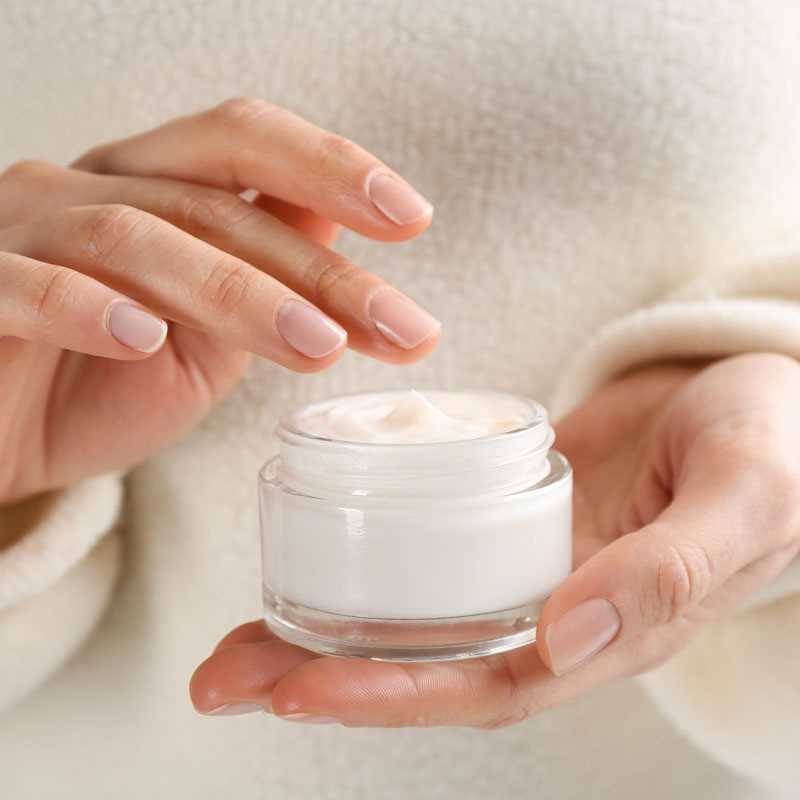
Skin safety is essential for any product that comes into direct contact with the skin. Whether your product is a cosmetic, topical medication or personal care item, our in vitro testing helps ensure it is safe for consumers by identifying potential risks of skin corrosion, irritation and sensitisation early in the development process. By choosing our testing services, you can mitigate risks associated with skin damage, irritation or allergic reactions, meet regulatory requirements across multiple regions and develop safe-for-use, high-quality products that consumers can trust. Our in vitro skin toxicity testing services include:

  • Skin corrosion testing (OECD TG 431): Assess the potential for your test item to cause severe damage or tissue destruction upon skin contact. Using human skin models, we simulate real-world exposure to evaluate the corrosive effects of your product and help ensure it is non-corrosive and safe.  
  • Skin irritation testing (OECD TG 439): Determine whether your product can cause mild to moderate irritation on human skin. Our testing method is based on reconstructed human epidermis models, which depict the potential response of human skin to your test item.
  • Skin sensitisation testing (OECD TG 442C, 442D, and 442E): Evaluate your test item's potential to cause allergic reactions or skin sensitisation. We use authority-recommended assays such as the KeratinoSens test, the direct peptide reactivity assay (DPRA) and the human cell line activation test (h-CLAT).
 

Contact us

Nuvisan is committed to protecting your privacy, and we'll only use your personal information to administer your account and to provide the products and services you requested from us. If you consent to us contacting you for this purpose, please tick below to say how you would like us to contact you:
You can unsubscribe from these communications at any time. For more information on how to unsubscribe, our privacy practices, and how we are committed to protecting and respecting your privacy, please review our Privacy Policy.

Talk to us

talk icon
+49 731 9840 0 

Our locations

location icon

Neu-Ulm (headquarters)

Wegenerstrasse 13

89231 Neu-Ulm

Germany

Berlin

Muellerstrasse 178

13353 Berlin

Germany

Sophia Antipolis

2400 route des Colles

06410 Biot

France

Grafing

Am Feld 32

85567 Grafing

Germany

Waltrop

Im Wirrigen 25

45731 Waltrop

Germany

For concerns about pharmaceuticals or adverse drug-related events, contact us at: complaints@nuvisan.com